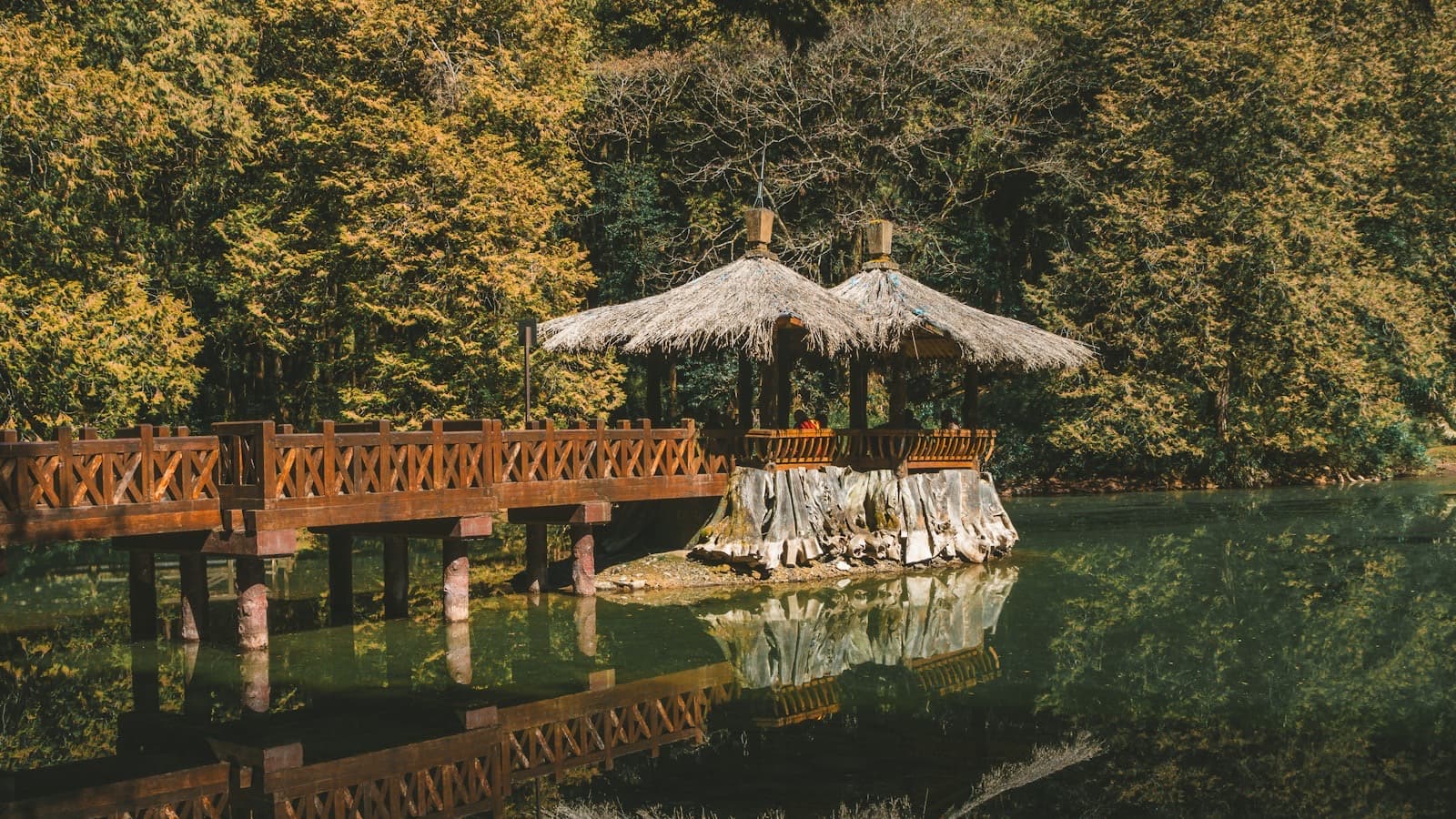
Designing a structure that moves with the tide forces a different relationship with the idea of a foundation. Most buildings are designed to resist movement; the Floating Pavilion was designed to accommodate it, rising and falling on a system of pontoons rather than fighting the water beneath it.
That constraint changed how we thought about permanence more broadly. A fixed foundation implies a fixed relationship with a site — the ground doesn't move, so the building doesn't need to. Water refuses that assumption. Everything about the pavilion's structure, from the joinery to the services, had to accept ongoing, daily movement as a normal condition rather than a failure state.
We came away from the project with a broader question we now ask on every site, water or not: what does this place actually ask the building to accommodate, rather than resist? It's rarely as literal as tidal movement, but there's almost always something — subsidence, seasonal flooding, extreme heat — that a building is better off designed with than against.