Our Philosophy
Understanding a place before intervening in it. Understanding people before designing for them. Understanding material before giving it form.
And understanding that space is not merely what surrounds us, but what shapes how we live, move, gather, pause, and experience.
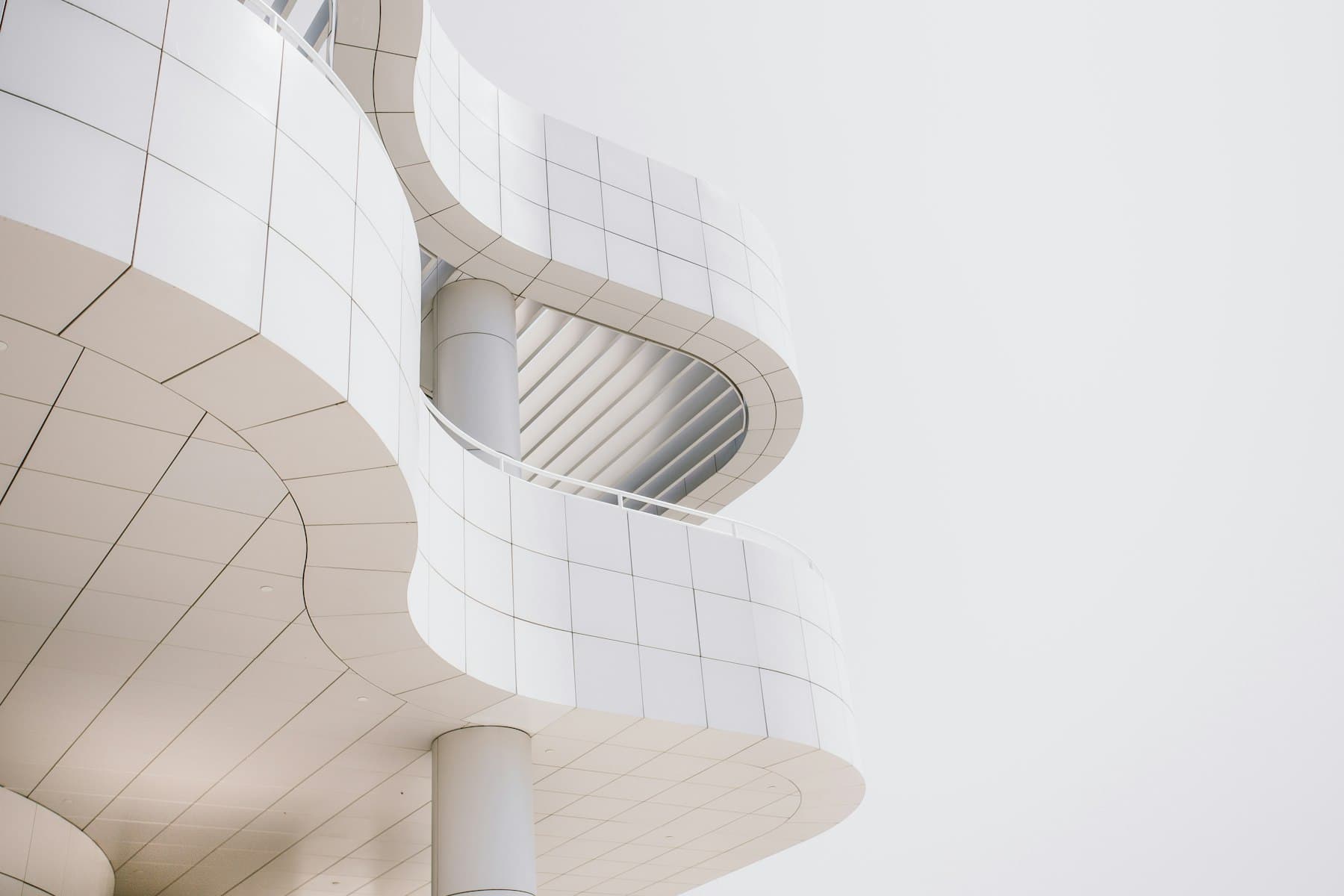
Architecture Begins With Sense
For us, architecture is first an act of observation. Every site carries its own conditions — its climate, orientation, landscape, history, materiality, neighbourhood, and culture. Every project carries another layer of conditions: its purpose, its people, its aspirations, and its constraints.
We believe these conditions are not limitations to overcome, but opportunities to discover a stronger architectural idea. Geometry gives us a language of order. Grid gives us a framework. Proportion gives us balance. Structure gives us clarity.
But architecture cannot exist through rationality alone. It must also respond to the things that cannot always be measured — the quality of light, the warmth of a material, the intimacy of a threshold, the scale of a room, the silence between spaces. This is where sensibility enters.
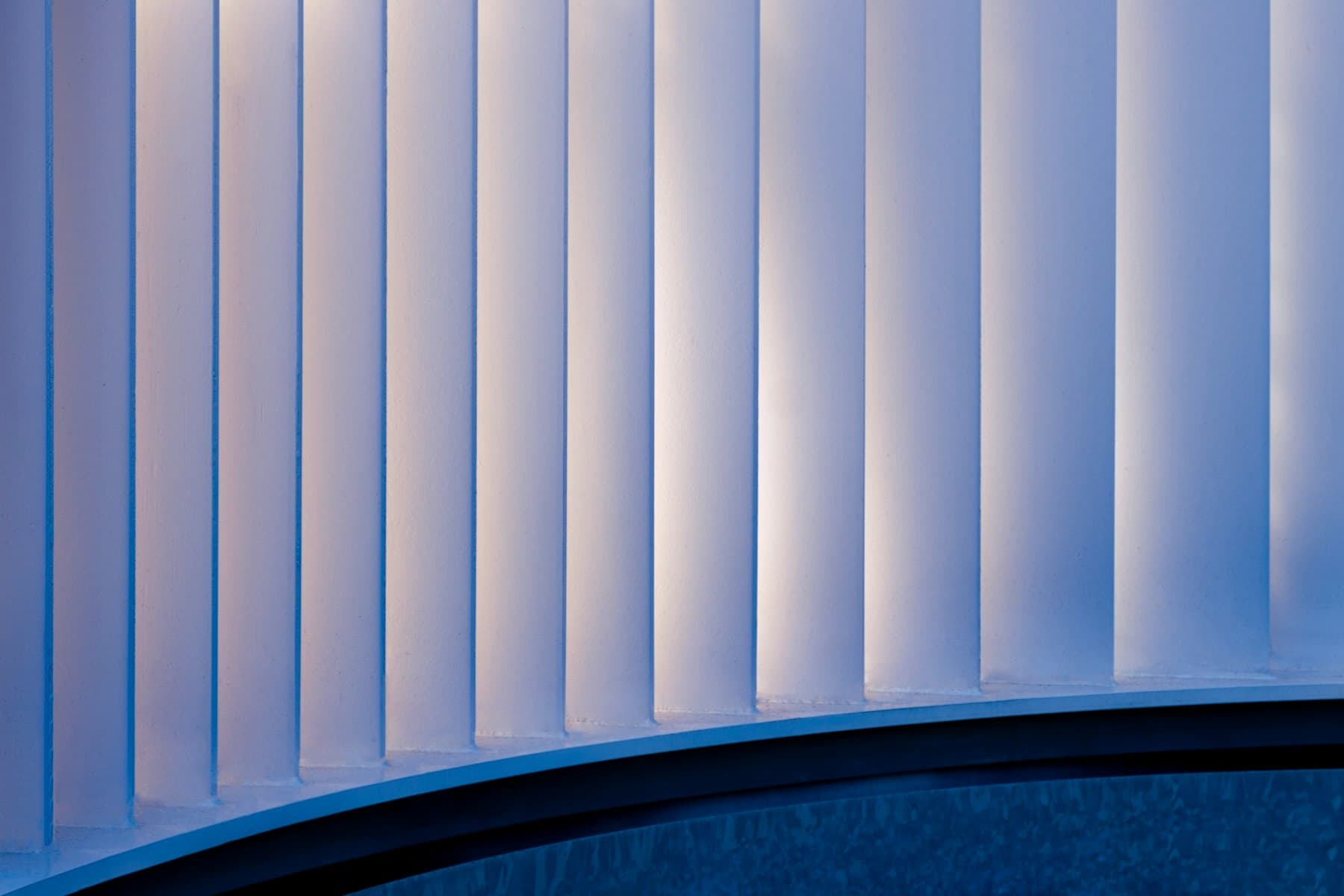
Sensibility in Architecture
We believe architecture should be felt as much as it is understood. A space can be technically resolved yet remain emotionally distant. Conversely, a space can be expressive yet lack clarity. Our pursuit lies somewhere between the two.
We work with light, material, proportion, texture, shadow, scale, and movement to create environments that reveal themselves gradually — morning light entering a room, a change in texture beneath the hand, the transition from one space to another, a framed view of the landscape. These seemingly small experiences become the architecture of everyday life.
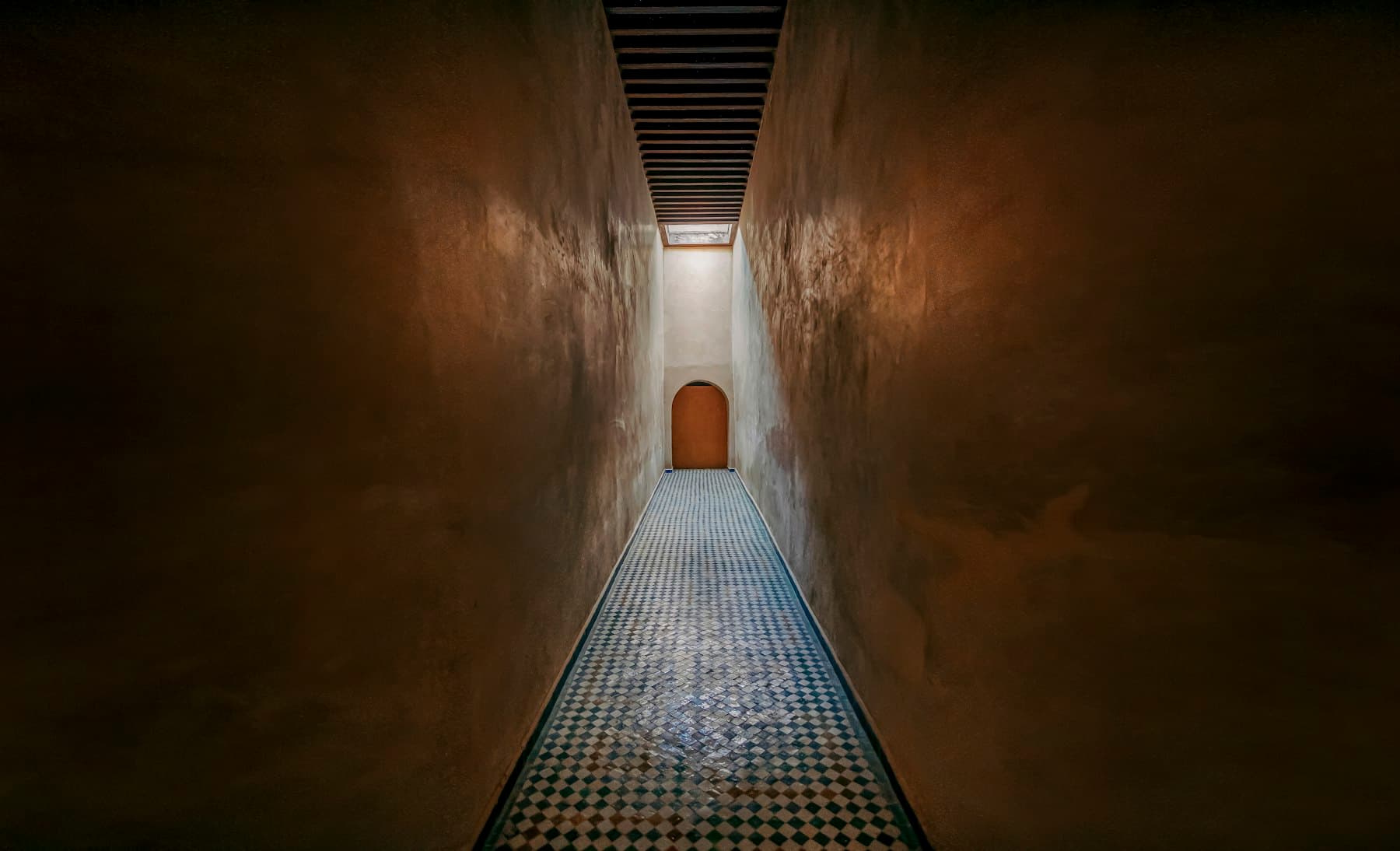
Space as Experience
We do not see space as an empty volume waiting to be filled. Space has character. It can compress and release. It can connect and separate. It can invite movement or encourage pause. It can create intimacy, openness, silence, or connection.
Our work begins not only with what should be built, but with a deeper question — how should this space be experienced? The resulting architecture is not simply a collection of rooms or objects. It is a sequence of experiences, connected through proportion, material, light, and human movement.
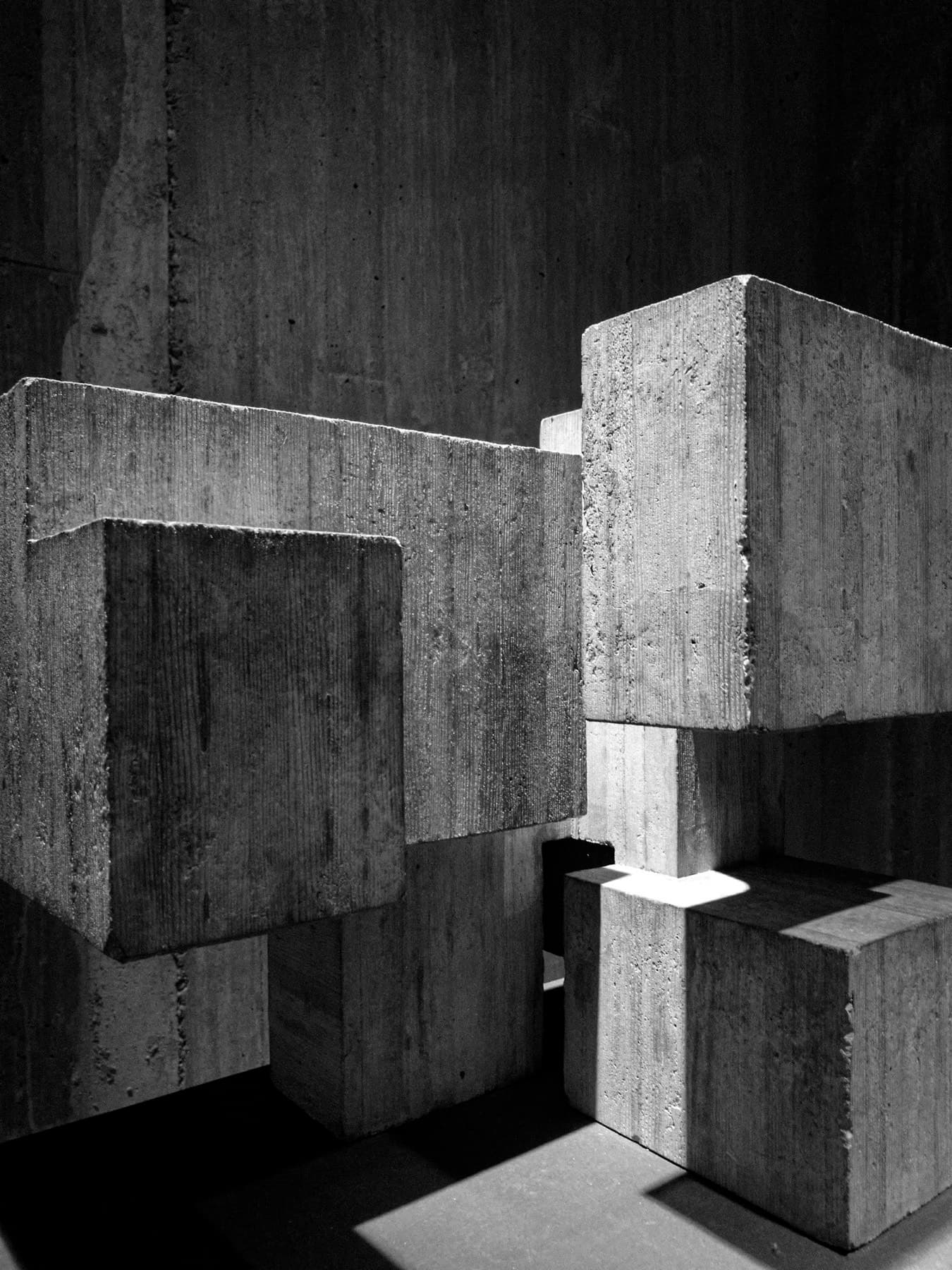
Between Structure and Life
There is a certain discipline in every well-resolved space — a considered grid, a measured proportion, a structural logic, a material palette that belongs to its context. These elements create the underlying order of architecture.
But once people inhabit a space, life introduces another layer — unpredictable, personal, constantly changing. We believe good architecture allows for this: enough structure to create clarity, yet enough openness for people to make a space their own. Architecture should support life, not compete with it.
Material & Time
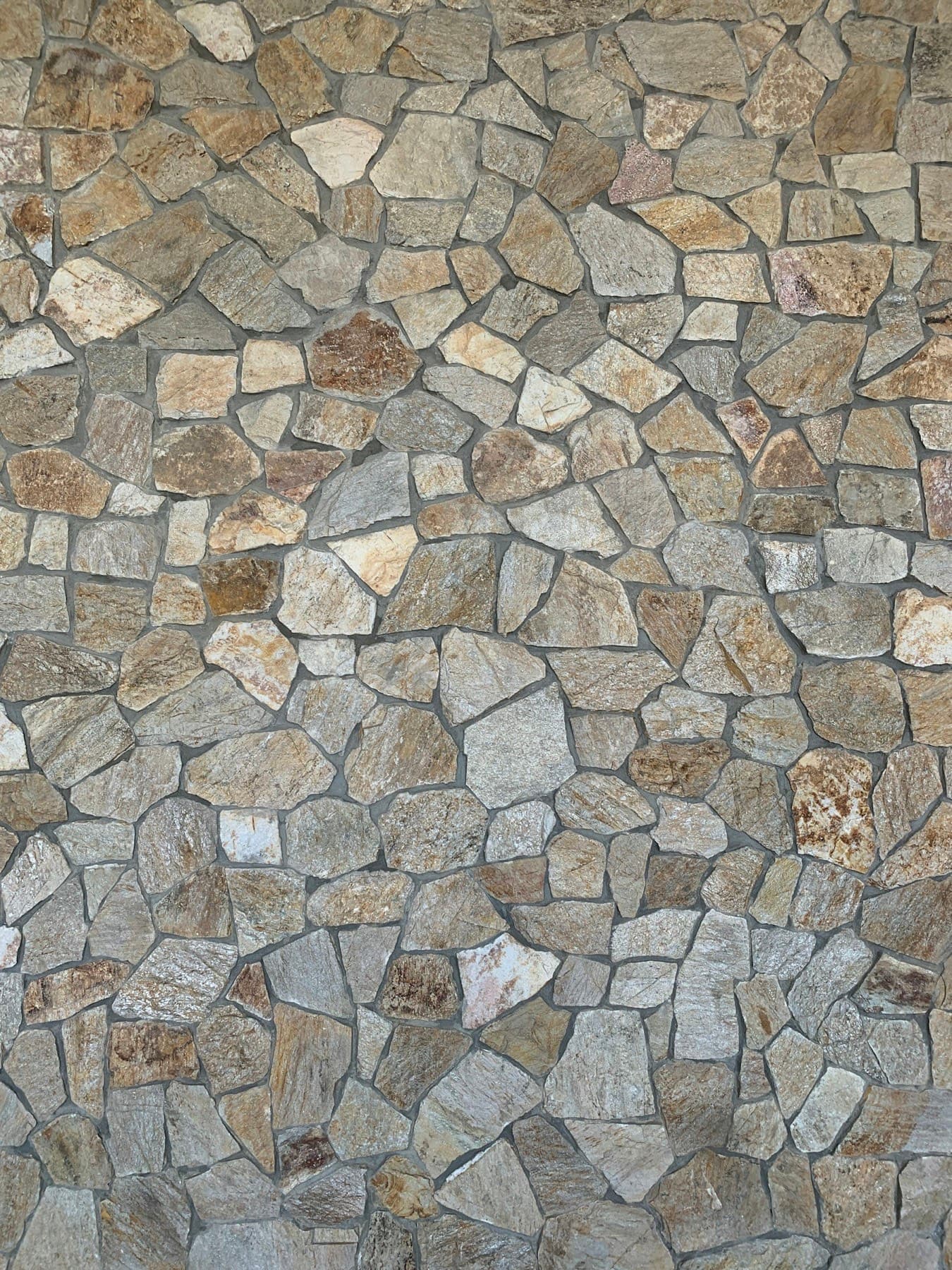
We approach material not simply as a surface or finish, but as part of the architectural language. Stone, concrete, wood, metal, brick, glass, and natural textures each carry their own weight, temperature, tactility, and memory.
A successful space should have the ability to become richer with time — to develop character through occupation, weather, memory, and everyday life. For us, permanence is not about resisting change. It is about creating something with enough clarity and depth to remain relevant as everything around it evolves.
Context & Belonging
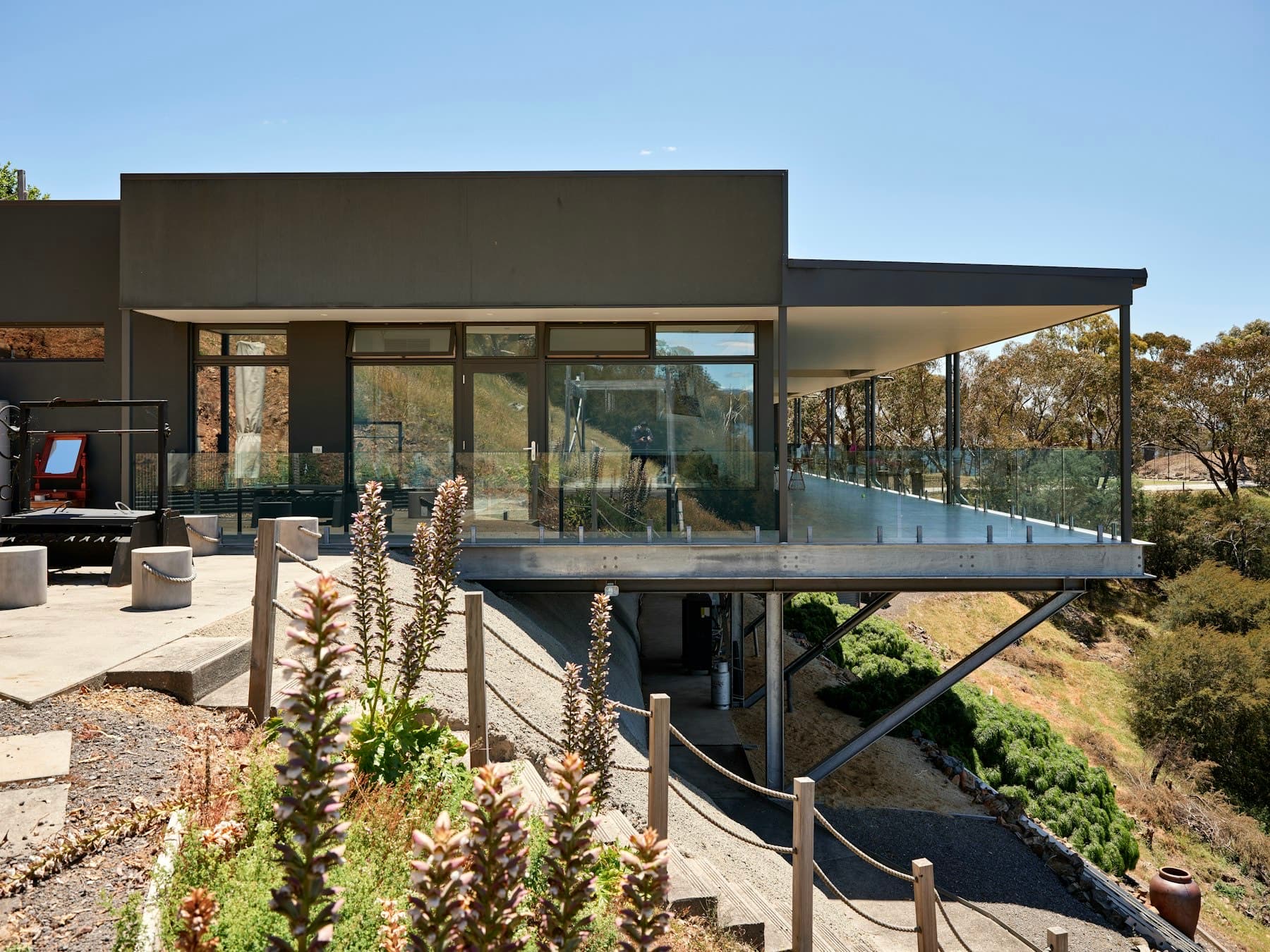
Every building becomes part of a larger landscape — physical, cultural, social, and environmental. We approach context not as a backdrop, but as an active participant in the design process. The climate may determine orientation. The landscape may shape the threshold. Local materials may inform its expression.
The aim is not to imitate what already exists, but to understand it deeply enough to create something that belongs without disappearing.
Our Approach
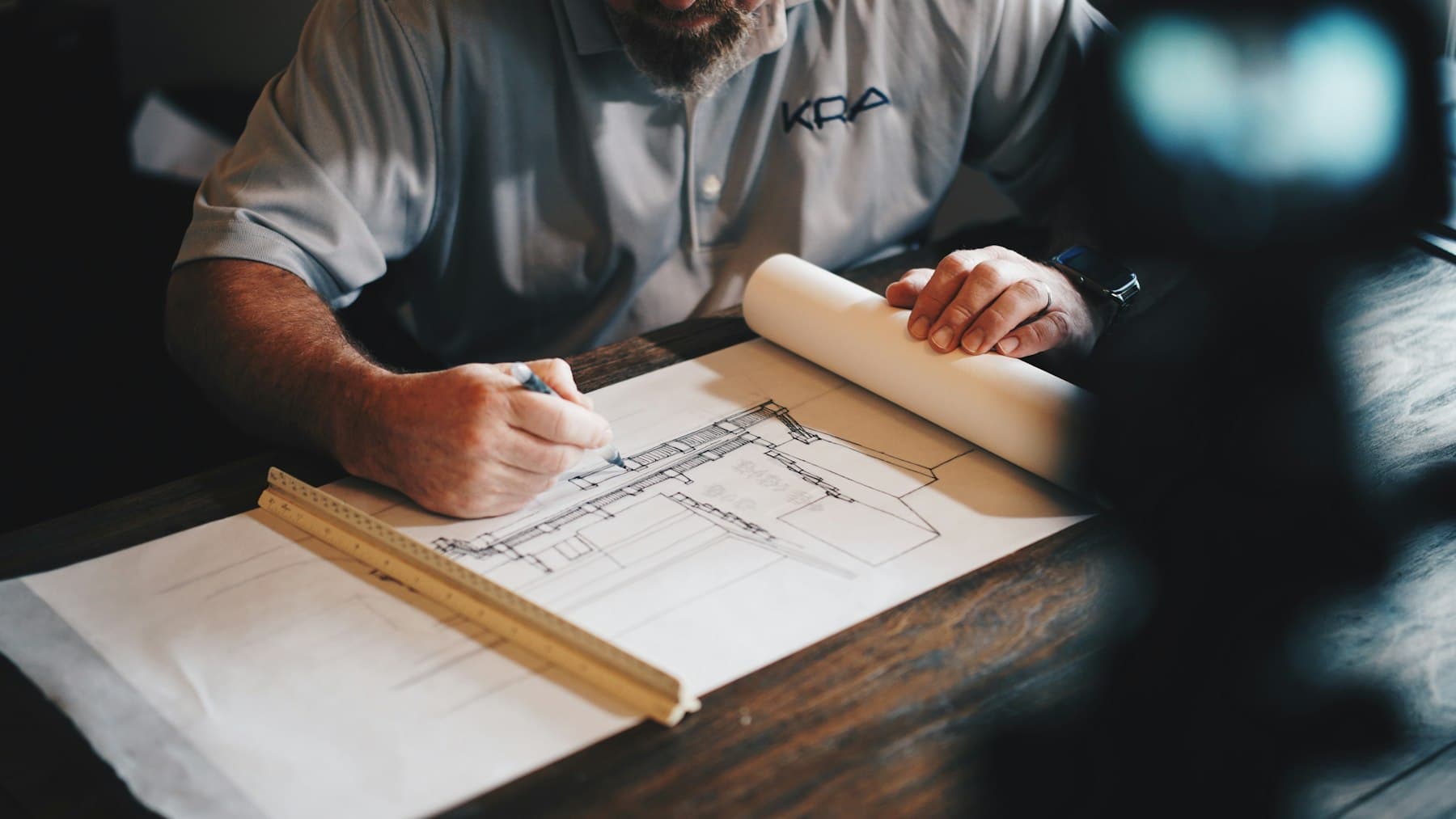
Every project begins with questions rather than predetermined answers. What does this place ask of us? Who will inhabit it? What should be preserved, what can be transformed, and where should the architecture remain quiet — and where should it speak?
Through research, dialogue, iteration, and making, we gradually develop an architectural response. From the first line to the final detail, we look for coherence between idea and execution — because the smallest detail should be capable of belonging to the larger idea.
A Practice of Balance
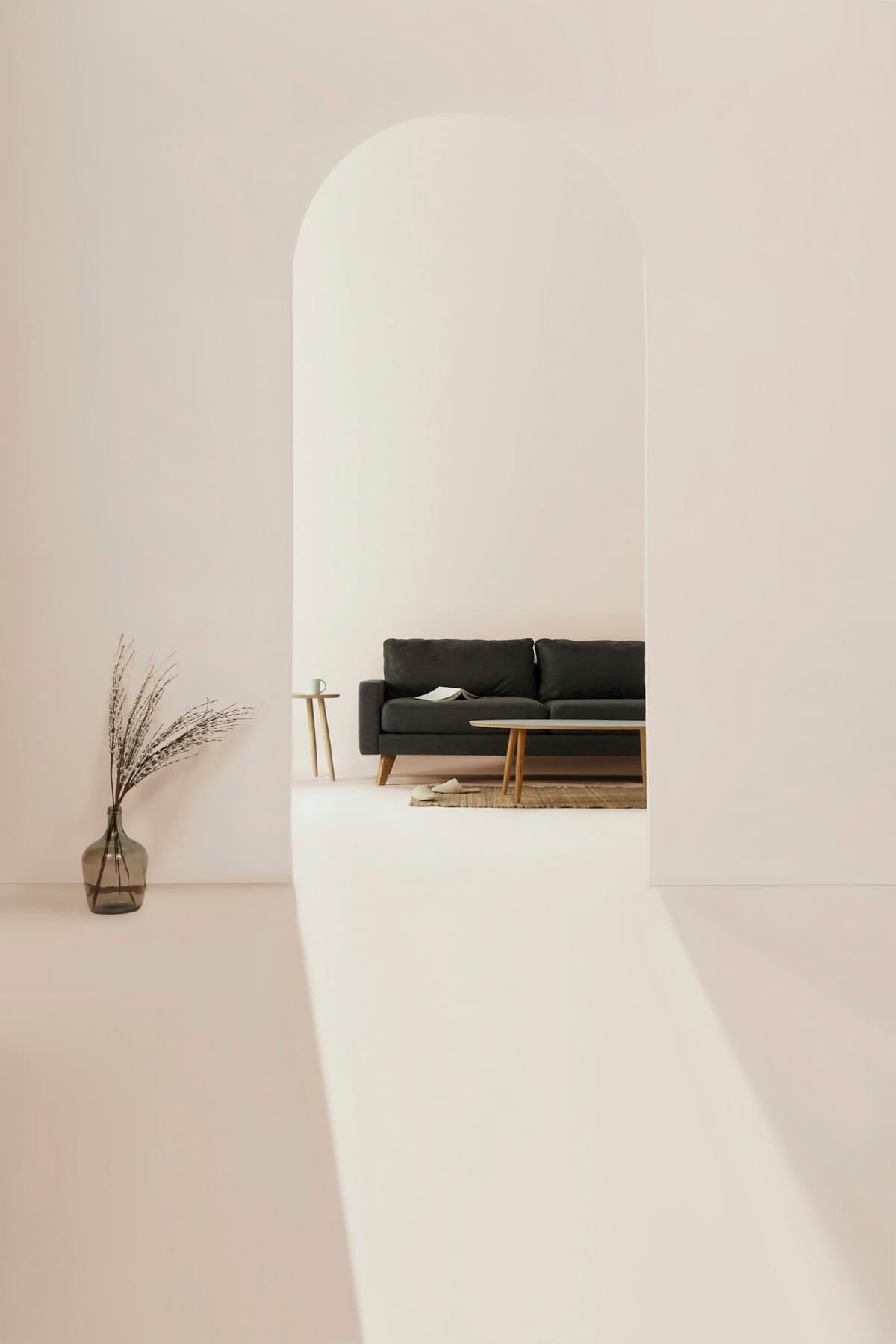
At the heart of MJ Architects is a pursuit of balance — between sense and sensibility, structure and experience, form and function, material and light, individual expression and contextual belonging.
We are not interested in architecture that exists only as an image. We are interested in architecture that can be inhabited, remembered, and experienced — architecture that has clarity without being cold, character without being loud, and that responds to its time while having the potential to endure beyond it.
Sense → Sensibility → Space
Sense gives architecture its order. Sensibility gives it depth. Space gives it life. At MJ Architects, we see every project as an opportunity to bring these three together — to transform ideas, conditions, and possibilities into spaces that are meaningful to the people who inhabit them.
Because ultimately, architecture is not only about making places. It is about shaping the experience of being in them.