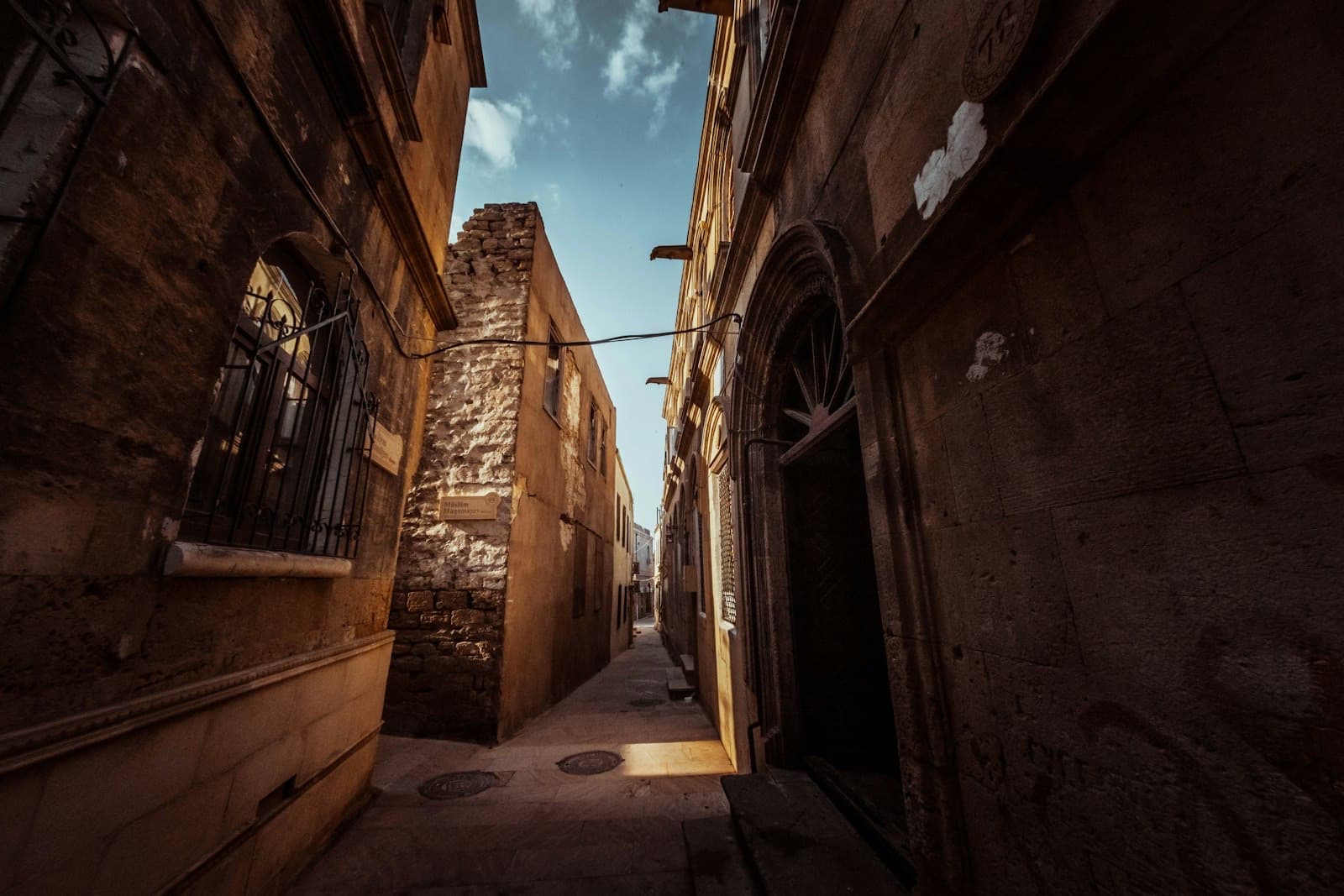
Mechanical cooling is a relatively recent solution to a very old problem. For centuries, cities in hot climates developed architectural strategies to stay livable without it — thick thermal mass, shaded courtyards, cross-ventilation, wind towers, and narrow streets that shadow each other through the day.
On recent projects, we've returned to a lot of these strategies not out of nostalgia but because they work, and because they reduce a building's dependence on mechanical systems that are expensive to run and vulnerable to grid failure. Passive strategies won't replace mechanical cooling entirely in every climate, but they can meaningfully reduce the load — often by 30–40% — before a single compressor turns on.
The bigger shift is in sequencing: designing the passive strategy first, then sizing mechanical systems to cover what's left, rather than the reverse. It changes the massing, orientation, and facade of a building from the earliest sketches, which is exactly where that thinking needs to happen.